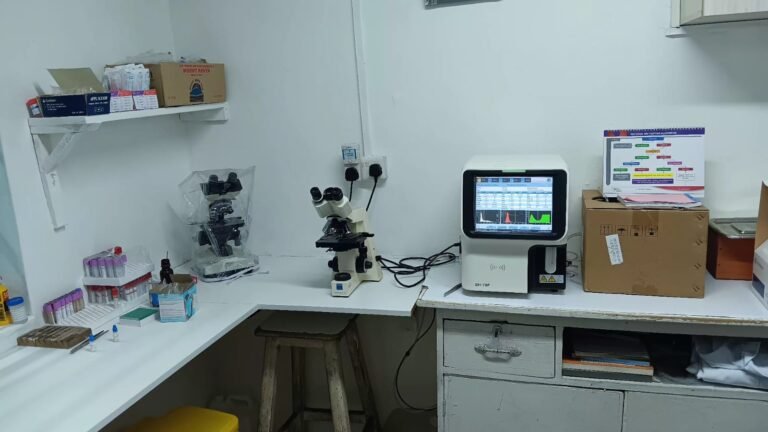

Laboratory Operations and Medical Tests: How Quality Diagnostic Testing Supports Better Healthcare
Laboratory Operations and Medical Tests: How Quality Diagnostic Testing Supports Better Healthcare
When you visit a healthcare facility, getting the right diagnosis is often the first step toward receiving the right treatment. While a doctor’s consultation and physical examination are essential, laboratory investigations can provide important information that may not be visible during a routine examination.
At Drugnet Medical Centre, laboratory services are an important part of our approach to patient-centred healthcare. Our laboratory operations support clinicians by providing diagnostic information that can help with disease detection, treatment decisions, health monitoring, and preventive care.
From routine blood and urine investigations to specialised diagnostic tests, medical laboratory testing plays an important role in modern healthcare.
In this article, we explain how a medical laboratory operates, the common laboratory tests patients may encounter, how samples are handled, why laboratory quality matters, and how diagnostic testing can contribute to better health outcomes.
What Is a Medical Laboratory?
A medical laboratory is a specialised healthcare environment where patient specimens are examined and analysed to provide information about a person’s health.
Depending on the type of investigation requested, samples may include:
- Blood
- Urine
- Stool
- Sputum
- Swabs
- Other body fluids
- Tissue specimens in specialised settings
Laboratory professionals use established procedures and appropriate equipment to examine these specimens.
The information generated by laboratory investigations can help healthcare professionals identify abnormalities, support a diagnosis, monitor an existing condition, assess treatment response, or determine whether additional investigations are necessary.
Laboratory testing therefore forms an important connection between patient symptoms, clinical assessment and medical decision-making.
Why Are Laboratory Tests Important?
Many health conditions can develop without obvious symptoms, while others can produce symptoms that are similar to several different diseases.
For example, tiredness may have many possible causes. Depending on the patient’s history and clinical assessment, a healthcare professional may recommend laboratory investigations to help determine whether factors such as anaemia, infection, metabolic abnormalities or other conditions could be contributing to the symptoms.
Laboratory tests may be used for several purposes.
1. Supporting diagnosis
Laboratory investigations can provide objective information that helps clinicians evaluate possible diseases and conditions.
2. Detecting health problems early
Some conditions may not cause noticeable symptoms during their early stages. Appropriate screening and testing can help identify abnormalities before they become more serious.
3. Monitoring existing conditions
Patients living with certain medical conditions may require periodic laboratory investigations to monitor their health.
4. Monitoring treatment
Laboratory results can sometimes help healthcare professionals determine whether a treatment is producing the expected response or whether further evaluation is necessary.
5. Preventive healthcare
Routine health assessments may include laboratory investigations designed to identify potential risk factors and abnormalities.
How Laboratory Operations Work
A reliable laboratory is not simply a room where samples are tested. Quality laboratory operations involve a process that begins before a specimen is collected and continues until the laboratory result is appropriately reported.
A typical laboratory testing process can be divided into three major stages:
- Pre-analytical processes
- Analytical processes
- Post-analytical processes
Understanding these stages helps explain why proper laboratory procedures are important.
1. The Pre-Analytical Stage
The pre-analytical stage occurs before the actual laboratory analysis.
It can include:
- Patient identification
- Test request verification
- Appropriate sample collection
- Correct specimen labelling
- Sample handling
- Sample storage
- Transportation where necessary
- Preparation for analysis
This stage is extremely important because a laboratory can only produce a meaningful result when the correct specimen has been collected and handled appropriately.
For example, a specimen may need to be collected in a particular container, at a particular time, or under specific preparation conditions depending on the requested investigation.
Patients should therefore follow instructions provided by their healthcare professional or laboratory team.
2. The Analytical Stage
This is the stage where the laboratory performs the requested investigation.
Depending on the test, laboratory professionals may use different methods, instruments and procedures.
The analytical process can involve:
- Preparing specimens
- Performing the requested test
- Operating laboratory equipment
- Running quality controls
- Reviewing analytical findings
- Identifying results requiring further verification
Different laboratory departments may focus on different types of investigations.
3. The Post-Analytical Stage
After a test has been performed, the results need to be reviewed, recorded and reported appropriately.
The post-analytical process may involve:
- Result verification
- Recording laboratory findings
- Reporting results
- Communicating relevant findings to the clinical team
- Maintaining laboratory records
- Identifying results that may require urgent clinical attention
Importantly, a laboratory result should not normally be interpreted in isolation.
A healthcare professional considers laboratory findings alongside the patient’s symptoms, medical history, physical examination and other investigations.
Common Medical Laboratory Tests
The appropriate laboratory investigation depends on the patient’s symptoms, medical history, age, clinical assessment and healthcare needs.
Below are some commonly requested categories of laboratory tests.
Complete Blood Count (CBC)
A Complete Blood Count, commonly abbreviated as CBC, is one of the frequently requested blood investigations.
It provides information about different blood cell types, including:
- Red blood cells
- White blood cells
- Platelets
- Haemoglobin and related measurements
A CBC may be requested as part of a general health assessment or when a clinician is investigating symptoms such as fatigue, weakness, fever or other concerns.
It can provide useful information that helps a healthcare professional determine whether further evaluation may be appropriate.
Blood Sugar Testing
Blood glucose testing is commonly used to assess blood sugar levels.
Depending on the clinical situation, a healthcare professional may recommend different forms of glucose testing.
These investigations can be useful when assessing:
- Diabetes
- Risk of diabetes
- Blood sugar control
- Symptoms associated with abnormal glucose levels
People with diabetes may also require periodic monitoring as part of their ongoing healthcare.
Lipid Profile and Cholesterol Testing
A lipid profile provides information about different types of fats in the blood.
Depending on the specific test, it may provide measurements such as:
- Total cholesterol
- HDL cholesterol
- LDL cholesterol
- Triglycerides
These measurements can contribute to cardiovascular risk assessment.
However, cholesterol results are best understood as part of a broader assessment that may include blood pressure, medical history, lifestyle factors and other risk factors.
Liver Function Tests
The liver performs many important functions in the body.
Healthcare professionals may request liver-related blood investigations when evaluating certain symptoms, diseases, medication effects or other clinical concerns.
Depending on the panel requested, liver investigations may include measurements associated with:
- Liver enzymes
- Bilirubin
- Proteins
- Other markers of liver function or injury
Abnormal results do not automatically mean that a person has a particular liver disease. Further clinical evaluation may be required.
Kidney Function Tests
Kidney-related investigations help healthcare professionals assess aspects of kidney function.
Tests may include measurements such as:
- Creatinine
- Urea
- Electrolytes
- Estimated kidney function
Kidney investigations may be recommended for people with particular symptoms, existing medical conditions, medication considerations or as part of ongoing monitoring.
Urinalysis
Urinalysis is a commonly performed laboratory investigation involving a urine sample.
Depending on the test, urine may be assessed for characteristics and substances such as:
- Appearance
- Protein
- Glucose
- Blood
- Ketones
- Signs associated with infection
- Other abnormalities
A urine test can provide useful information about several aspects of health.
Pregnancy Testing
Pregnancy tests detect markers associated with pregnancy.
Testing may be performed using urine or blood depending on the circumstances and the type of investigation requested.
If you believe you may be pregnant, speaking with a qualified healthcare professional can help determine the most appropriate test and next steps.
Malaria Testing
Malaria remains an important health concern in many parts of Africa.
When malaria is suspected, a healthcare professional may recommend appropriate diagnostic testing rather than relying solely on symptoms.
Laboratory-based malaria investigations can help determine whether malaria parasites or relevant markers are present, depending on the diagnostic method used.
If you develop symptoms such as fever, chills, sweating, headache, weakness or other concerning symptoms, seek medical evaluation promptly.
HIV Testing
HIV testing is an important component of healthcare and prevention.
Different HIV tests use different methods to identify evidence of HIV infection.
Testing can be particularly important when someone:
- Wants to know their HIV status
- Has concerns following potential exposure
- Is undergoing certain medical evaluations
- Is receiving care where HIV testing is clinically indicated
Confidentiality and appropriate counselling are important parts of responsible HIV testing services.
Hepatitis Testing
Hepatitis refers to inflammation of the liver, and different types of viral hepatitis can affect people in different ways.
Laboratory tests can be used to investigate hepatitis infections and determine whether further medical assessment is necessary.
Testing may be recommended based on symptoms, medical history, exposure risks or clinical assessment.
Stool Tests
Stool investigations can provide useful information when healthcare professionals are investigating certain gastrointestinal symptoms.
Depending on the clinical question, stool testing may be used to investigate:
- Parasites
- Certain infections
- Blood in stool
- Other gastrointestinal abnormalities
Patients should follow the laboratory’s instructions carefully when collecting and submitting stool specimens.
Sputum and Respiratory Specimen Testing
Respiratory specimens such as sputum may be collected when a healthcare professional is investigating particular respiratory conditions.
The appropriate investigation depends on the symptoms and suspected condition.
Because respiratory infections can have different causes, laboratory testing can help healthcare professionals determine what further management may be appropriate.
Infection-Related Laboratory Testing
Laboratory investigations can play an important role in evaluating infections.
Depending on the suspected infection, testing may involve blood, urine, stool, swabs or other specimens.
The appropriate test is determined by factors such as:
- Symptoms
- Duration of illness
- Medical history
- Physical examination
- Possible exposure
- Clinical suspicion
This is why it is generally better to have a healthcare professional recommend the appropriate investigation rather than requesting random tests without clinical guidance.
Why Laboratory Quality Matters
The value of a laboratory result depends on the quality of the entire testing process.
Laboratory quality involves more than simply obtaining a numerical result.
Important areas include:
Correct patient identification
The laboratory must ensure that specimens are associated with the correct patient.
Proper specimen collection
Different investigations require different specimen types and collection procedures.
Correct specimen handling
Improper handling can potentially affect the integrity of a specimen.
Equipment and procedures
Laboratory equipment needs appropriate operation and maintenance, while testing procedures should be consistently followed.
Quality control
Laboratories use quality-control processes to monitor the performance of testing systems.
Result verification
Results should be appropriately reviewed before being released according to the laboratory’s procedures.
Accurate documentation
Proper records help support continuity of care and reliable laboratory operations.
Laboratory Tests and Your Doctor’s Diagnosis
One of the most important things patients should understand is that a laboratory result is not always a diagnosis by itself.
A result outside a reference range does not necessarily mean that a person has a disease.
Similarly, a result within a reference range does not always rule out every possible health problem.
Healthcare professionals interpret results in context.
For example, they may consider:
- Your age
- Symptoms
- Medical history
- Physical examination
- Medications
- Previous laboratory results
- Other diagnostic investigations
- The specific laboratory reference range
This is why patients should discuss their results with a qualified healthcare professional rather than attempting to diagnose themselves based solely on a laboratory report.
Preparing for a Laboratory Test
Some laboratory tests require special preparation while others do not.
Depending on the investigation, you may be asked to:
- Fast for a specified period
- Drink water normally
- Take or temporarily avoid certain medications only when instructed
- Provide a specimen at a particular time
- Follow specific collection instructions
Never stop prescribed medication simply because you are preparing for a laboratory test unless a qualified healthcare professional has instructed you to do so.
If you are unsure whether fasting or other preparation is required, ask the laboratory or healthcare professional before your appointment.
What Happens When You Visit the Laboratory?
A typical laboratory visit may involve several steps.
Step 1: Registration
Your details and laboratory request are confirmed.
Step 2: Test verification
The requested investigations are reviewed to ensure that the appropriate specimens will be collected.
Step 3: Sample collection
A trained laboratory professional collects the required specimen.
Step 4: Sample identification
The specimen is appropriately labelled and handled according to laboratory procedures.
Step 5: Laboratory analysis
The specimen is processed and tested using the appropriate method.
Step 6: Result review
Laboratory results undergo the necessary verification processes.
Step 7: Reporting
The results are made available to the appropriate healthcare professional and/or patient according to the facility’s procedures.
Step 8: Clinical interpretation
The healthcare professional reviews the findings alongside the patient’s clinical information.
How Long Do Laboratory Results Take?
The turnaround time depends on the type of investigation.
Some routine laboratory tests may be completed relatively quickly, while specialised investigations can take longer.
Factors that can affect turnaround time include:
- Type of test
- Specimen requirements
- Testing methodology
- Laboratory workload
- Whether the test is performed on-site
- Whether specialised testing is required
When you have a laboratory investigation at Drugnet Medical Centre, ask the laboratory team about the expected turnaround time for your specific test.
Should You Have Laboratory Tests Even When You Feel Healthy?
Not every person needs every laboratory test.
However, appropriate preventive health assessments can be useful depending on a person’s age, medical history, risk factors and healthcare needs.
A healthcare professional can help determine which investigations are appropriate.
Rather than taking numerous tests without guidance, a more useful approach is to have a health assessment and discuss which screening investigations may be relevant to you.
Laboratory Services for Individuals, Families and Organisations
Medical laboratory services can support different healthcare needs.
Individuals may require testing because of symptoms or routine health assessments.
Families may seek laboratory investigations as part of preventive healthcare.
Organisations may also arrange health assessments for employees depending on occupational and organisational requirements.
The specific laboratory investigations required should always be determined according to the relevant healthcare needs and professional guidance.
Choosing a Medical Laboratory
When selecting a laboratory service, patients should consider more than convenience.
Important factors can include:
- Qualified laboratory professionals
- Appropriate laboratory procedures
- Quality-control systems
- Proper specimen handling
- Clear result reporting
- Patient confidentiality
- Appropriate clinical support
- Convenient access to healthcare professionals
A laboratory is an important part of the healthcare system, so quality and reliability should remain priorities.
Why Choose Drugnet Medical Centre for Laboratory Services?
At Drugnet Medical Centre, laboratory services are integrated into a broader healthcare environment.
This means laboratory investigations can form part of a patient’s overall healthcare journey rather than being viewed as isolated test results.
Our approach focuses on:
Patient-centred care
We recognise that every patient has different healthcare needs.
Professional laboratory processes
Specimens require appropriate collection, handling, testing and reporting.
Convenience
Access to diagnostic services within a medical facility can make the healthcare journey more straightforward.
Clinical coordination
Laboratory investigations can support healthcare professionals as they assess symptoms, make clinical decisions and monitor patients.
Confidentiality
Patient health information should be handled responsibly and confidentially.
When Should You Consider Seeing a Healthcare Professional?
You should consider seeking medical attention if you experience symptoms that concern you, particularly when symptoms are persistent, worsening or accompanied by other warning signs.
Do not rely on laboratory testing as a substitute for professional medical assessment.
A healthcare professional can determine whether laboratory investigations are necessary and identify which tests are appropriate.
If you experience a medical emergency or severe symptoms, seek urgent medical care.
Frequently Asked Questions About Laboratory Tests
What is the purpose of a blood test?
Blood tests can provide information about different aspects of health and may help healthcare professionals investigate symptoms, monitor conditions, assess treatment or perform appropriate screening.
Do all laboratory tests require fasting?
No. Some tests require fasting while others do not. Always follow the instructions provided for the specific investigation.
How long does a laboratory test take?
The time varies depending on the investigation. Some routine tests can be processed relatively quickly, while specialised tests may take longer.
Can I interpret my laboratory results myself?
It is better to discuss your results with a qualified healthcare professional. Results should be interpreted in relation to your symptoms, medical history and other clinical information.
Why might my laboratory result be outside the reference range?
Reference ranges are based on population data and laboratory methods. A result outside a reference range does not automatically mean that you have a disease. Your healthcare professional can explain what your specific result means.
Can laboratory tests detect diseases before symptoms appear?
Some laboratory investigations can be used for screening and may identify abnormalities before symptoms develop. However, screening is not appropriate for every disease or every person.
What samples can be used for laboratory testing?
Depending on the investigation, samples may include blood, urine, stool, sputum, swabs and other biological specimens.
Can children have laboratory tests?
Yes. Children may require laboratory investigations when clinically indicated. The appropriate test and specimen collection method depend on the child’s age, symptoms and healthcare needs.
Laboratory Testing Is More Than a Test Result
A laboratory result is one piece of a much larger healthcare picture.
From the moment a patient is registered and a specimen is collected to the moment a verified result reaches the healthcare professional, every stage matters.
Quality laboratory operations help provide clinicians with useful diagnostic information, while appropriate clinical interpretation helps turn that information into meaningful healthcare decisions.
At Drugnet Medical Centre, laboratory services form part of our commitment to accessible, coordinated and patient-focused healthcare.
Whether you need a routine health investigation, diagnostic testing following symptoms, monitoring for an existing condition, or appropriate preventive screening, speak with a qualified healthcare professional about the tests that are right for you.
Visit Drugnet Medical Centre
Looking for medical laboratory services, diagnostic tests, blood tests or health screening in Kenya?
Drugnet Medical Centre provides healthcare services designed to support patients through consultation, diagnosis, treatment and follow-up care.
Do not wait until a health problem becomes serious. If you have symptoms or concerns about your health, consult a qualified healthcare professional and find out whether laboratory testing may be appropriate for you.
Drugnet Medical Centre — Supporting Better Healthcare Through Quality Diagnosis and Patient-Centred Care.
Laboratory Operations and Medical Tests: How Quality Diagnostic Testing Supports Better Healthcare
When you visit a healthcare facility, getting the right diagnosis is often the first step toward receiving the right treatment. While a doctor’s consultation and physical examination are essential, laboratory investigations can provide important information that may not be visible during a routine examination.
At Drugnet Medical Centre, laboratory services are an important part of our approach to patient-centred healthcare. Our laboratory operations support clinicians by providing diagnostic information that can help with disease detection, treatment decisions, health monitoring, and preventive care.
From routine blood and urine investigations to specialised diagnostic tests, medical laboratory testing plays an important role in modern healthcare.
In this article, we explain how a medical laboratory operates, the common laboratory tests patients may encounter, how samples are handled, why laboratory quality matters, and how diagnostic testing can contribute to better health outcomes.
What Is a Medical Laboratory?
A medical laboratory is a specialised healthcare environment where patient specimens are examined and analysed to provide information about a person’s health.
Depending on the type of investigation requested, samples may include:
- Blood
- Urine
- Stool
- Sputum
- Swabs
- Other body fluids
- Tissue specimens in specialised settings
Laboratory professionals use established procedures and appropriate equipment to examine these specimens.
The information generated by laboratory investigations can help healthcare professionals identify abnormalities, support a diagnosis, monitor an existing condition, assess treatment response, or determine whether additional investigations are necessary.
Laboratory testing therefore forms an important connection between patient symptoms, clinical assessment and medical decision-making.
Why Are Laboratory Tests Important?
Many health conditions can develop without obvious symptoms, while others can produce symptoms that are similar to several different diseases.
For example, tiredness may have many possible causes. Depending on the patient’s history and clinical assessment, a healthcare professional may recommend laboratory investigations to help determine whether factors such as anaemia, infection, metabolic abnormalities or other conditions could be contributing to the symptoms.
Laboratory tests may be used for several purposes.
1. Supporting diagnosis
Laboratory investigations can provide objective information that helps clinicians evaluate possible diseases and conditions.
2. Detecting health problems early
Some conditions may not cause noticeable symptoms during their early stages. Appropriate screening and testing can help identify abnormalities before they become more serious.
3. Monitoring existing conditions
Patients living with certain medical conditions may require periodic laboratory investigations to monitor their health.
4. Monitoring treatment
Laboratory results can sometimes help healthcare professionals determine whether a treatment is producing the expected response or whether further evaluation is necessary.
5. Preventive healthcare
Routine health assessments may include laboratory investigations designed to identify potential risk factors and abnormalities.
How Laboratory Operations Work
A reliable laboratory is not simply a room where samples are tested. Quality laboratory operations involve a process that begins before a specimen is collected and continues until the laboratory result is appropriately reported.
A typical laboratory testing process can be divided into three major stages:
- Pre-analytical processes
- Analytical processes
- Post-analytical processes
Understanding these stages helps explain why proper laboratory procedures are important.
1. The Pre-Analytical Stage
The pre-analytical stage occurs before the actual laboratory analysis.
It can include:
- Patient identification
- Test request verification
- Appropriate sample collection
- Correct specimen labelling
- Sample handling
- Sample storage
- Transportation where necessary
- Preparation for analysis
This stage is extremely important because a laboratory can only produce a meaningful result when the correct specimen has been collected and handled appropriately.
For example, a specimen may need to be collected in a particular container, at a particular time, or under specific preparation conditions depending on the requested investigation.
Patients should therefore follow instructions provided by their healthcare professional or laboratory team.
2. The Analytical Stage
This is the stage where the laboratory performs the requested investigation.
Depending on the test, laboratory professionals may use different methods, instruments and procedures.
The analytical process can involve:
- Preparing specimens
- Performing the requested test
- Operating laboratory equipment
- Running quality controls
- Reviewing analytical findings
- Identifying results requiring further verification
Different laboratory departments may focus on different types of investigations.
3. The Post-Analytical Stage
After a test has been performed, the results need to be reviewed, recorded and reported appropriately.
The post-analytical process may involve:
- Result verification
- Recording laboratory findings
- Reporting results
- Communicating relevant findings to the clinical team
- Maintaining laboratory records
- Identifying results that may require urgent clinical attention
Importantly, a laboratory result should not normally be interpreted in isolation.
A healthcare professional considers laboratory findings alongside the patient’s symptoms, medical history, physical examination and other investigations.
Common Medical Laboratory Tests
The appropriate laboratory investigation depends on the patient’s symptoms, medical history, age, clinical assessment and healthcare needs.
Below are some commonly requested categories of laboratory tests.
Complete Blood Count (CBC)
A Complete Blood Count, commonly abbreviated as CBC, is one of the frequently requested blood investigations.
It provides information about different blood cell types, including:
- Red blood cells
- White blood cells
- Platelets
- Haemoglobin and related measurements
A CBC may be requested as part of a general health assessment or when a clinician is investigating symptoms such as fatigue, weakness, fever or other concerns.
It can provide useful information that helps a healthcare professional determine whether further evaluation may be appropriate.
Blood Sugar Testing
Blood glucose testing is commonly used to assess blood sugar levels.
Depending on the clinical situation, a healthcare professional may recommend different forms of glucose testing.
These investigations can be useful when assessing:
- Diabetes
- Risk of diabetes
- Blood sugar control
- Symptoms associated with abnormal glucose levels
People with diabetes may also require periodic monitoring as part of their ongoing healthcare.
Lipid Profile and Cholesterol Testing
A lipid profile provides information about different types of fats in the blood.
Depending on the specific test, it may provide measurements such as:
- Total cholesterol
- HDL cholesterol
- LDL cholesterol
- Triglycerides
These measurements can contribute to cardiovascular risk assessment.
However, cholesterol results are best understood as part of a broader assessment that may include blood pressure, medical history, lifestyle factors and other risk factors.
Liver Function Tests
The liver performs many important functions in the body.
Healthcare professionals may request liver-related blood investigations when evaluating certain symptoms, diseases, medication effects or other clinical concerns.
Depending on the panel requested, liver investigations may include measurements associated with:
- Liver enzymes
- Bilirubin
- Proteins
- Other markers of liver function or injury
Abnormal results do not automatically mean that a person has a particular liver disease. Further clinical evaluation may be required.
Kidney Function Tests
Kidney-related investigations help healthcare professionals assess aspects of kidney function.
Tests may include measurements such as:
- Creatinine
- Urea
- Electrolytes
- Estimated kidney function
Kidney investigations may be recommended for people with particular symptoms, existing medical conditions, medication considerations or as part of ongoing monitoring.
Urinalysis
Urinalysis is a commonly performed laboratory investigation involving a urine sample.
Depending on the test, urine may be assessed for characteristics and substances such as:
- Appearance
- Protein
- Glucose
- Blood
- Ketones
- Signs associated with infection
- Other abnormalities
A urine test can provide useful information about several aspects of health.
Pregnancy Testing
Pregnancy tests detect markers associated with pregnancy.
Testing may be performed using urine or blood depending on the circumstances and the type of investigation requested.
If you believe you may be pregnant, speaking with a qualified healthcare professional can help determine the most appropriate test and next steps.
Malaria Testing
Malaria remains an important health concern in many parts of Africa.
When malaria is suspected, a healthcare professional may recommend appropriate diagnostic testing rather than relying solely on symptoms.
Laboratory-based malaria investigations can help determine whether malaria parasites or relevant markers are present, depending on the diagnostic method used.
If you develop symptoms such as fever, chills, sweating, headache, weakness or other concerning symptoms, seek medical evaluation promptly.
HIV Testing
HIV testing is an important component of healthcare and prevention.
Different HIV tests use different methods to identify evidence of HIV infection.
Testing can be particularly important when someone:
- Wants to know their HIV status
- Has concerns following potential exposure
- Is undergoing certain medical evaluations
- Is receiving care where HIV testing is clinically indicated
Confidentiality and appropriate counselling are important parts of responsible HIV testing services.
Hepatitis Testing
Hepatitis refers to inflammation of the liver, and different types of viral hepatitis can affect people in different ways.
Laboratory tests can be used to investigate hepatitis infections and determine whether further medical assessment is necessary.
Testing may be recommended based on symptoms, medical history, exposure risks or clinical assessment.
Stool Tests
Stool investigations can provide useful information when healthcare professionals are investigating certain gastrointestinal symptoms.
Depending on the clinical question, stool testing may be used to investigate:
- Parasites
- Certain infections
- Blood in stool
- Other gastrointestinal abnormalities
Patients should follow the laboratory’s instructions carefully when collecting and submitting stool specimens.
Sputum and Respiratory Specimen Testing
Respiratory specimens such as sputum may be collected when a healthcare professional is investigating particular respiratory conditions.
The appropriate investigation depends on the symptoms and suspected condition.
Because respiratory infections can have different causes, laboratory testing can help healthcare professionals determine what further management may be appropriate.
Infection-Related Laboratory Testing
Laboratory investigations can play an important role in evaluating infections.
Depending on the suspected infection, testing may involve blood, urine, stool, swabs or other specimens.
The appropriate test is determined by factors such as:
- Symptoms
- Duration of illness
- Medical history
- Physical examination
- Possible exposure
- Clinical suspicion
This is why it is generally better to have a healthcare professional recommend the appropriate investigation rather than requesting random tests without clinical guidance.
Why Laboratory Quality Matters
The value of a laboratory result depends on the quality of the entire testing process.
Laboratory quality involves more than simply obtaining a numerical result.
Important areas include:
Correct patient identification
The laboratory must ensure that specimens are associated with the correct patient.
Proper specimen collection
Different investigations require different specimen types and collection procedures.
Correct specimen handling
Improper handling can potentially affect the integrity of a specimen.
Equipment and procedures
Laboratory equipment needs appropriate operation and maintenance, while testing procedures should be consistently followed.
Quality control
Laboratories use quality-control processes to monitor the performance of testing systems.
Result verification
Results should be appropriately reviewed before being released according to the laboratory’s procedures.
Accurate documentation
Proper records help support continuity of care and reliable laboratory operations.
Laboratory Tests and Your Doctor’s Diagnosis
One of the most important things patients should understand is that a laboratory result is not always a diagnosis by itself.
A result outside a reference range does not necessarily mean that a person has a disease.
Similarly, a result within a reference range does not always rule out every possible health problem.
Healthcare professionals interpret results in context.
For example, they may consider:
- Your age
- Symptoms
- Medical history
- Physical examination
- Medications
- Previous laboratory results
- Other diagnostic investigations
- The specific laboratory reference range
This is why patients should discuss their results with a qualified healthcare professional rather than attempting to diagnose themselves based solely on a laboratory report.
Preparing for a Laboratory Test
Some laboratory tests require special preparation while others do not.
Depending on the investigation, you may be asked to:
- Fast for a specified period
- Drink water normally
- Take or temporarily avoid certain medications only when instructed
- Provide a specimen at a particular time
- Follow specific collection instructions
Never stop prescribed medication simply because you are preparing for a laboratory test unless a qualified healthcare professional has instructed you to do so.
If you are unsure whether fasting or other preparation is required, ask the laboratory or healthcare professional before your appointment.
What Happens When You Visit the Laboratory?
A typical laboratory visit may involve several steps.
Step 1: Registration
Your details and laboratory request are confirmed.
Step 2: Test verification
The requested investigations are reviewed to ensure that the appropriate specimens will be collected.
Step 3: Sample collection
A trained laboratory professional collects the required specimen.
Step 4: Sample identification
The specimen is appropriately labelled and handled according to laboratory procedures.
Step 5: Laboratory analysis
The specimen is processed and tested using the appropriate method.
Step 6: Result review
Laboratory results undergo the necessary verification processes.
Step 7: Reporting
The results are made available to the appropriate healthcare professional and/or patient according to the facility’s procedures.
Step 8: Clinical interpretation
The healthcare professional reviews the findings alongside the patient’s clinical information.
How Long Do Laboratory Results Take?
The turnaround time depends on the type of investigation.
Some routine laboratory tests may be completed relatively quickly, while specialised investigations can take longer.
Factors that can affect turnaround time include:
- Type of test
- Specimen requirements
- Testing methodology
- Laboratory workload
- Whether the test is performed on-site
- Whether specialised testing is required
When you have a laboratory investigation at Drugnet Medical Centre, ask the laboratory team about the expected turnaround time for your specific test.
Should You Have Laboratory Tests Even When You Feel Healthy?
Not every person needs every laboratory test.
However, appropriate preventive health assessments can be useful depending on a person’s age, medical history, risk factors and healthcare needs.
A healthcare professional can help determine which investigations are appropriate.
Rather than taking numerous tests without guidance, a more useful approach is to have a health assessment and discuss which screening investigations may be relevant to you.
Laboratory Services for Individuals, Families and Organisations
Medical laboratory services can support different healthcare needs.
Individuals may require testing because of symptoms or routine health assessments.
Families may seek laboratory investigations as part of preventive healthcare.
Organisations may also arrange health assessments for employees depending on occupational and organisational requirements.
The specific laboratory investigations required should always be determined according to the relevant healthcare needs and professional guidance.
Choosing a Medical Laboratory
When selecting a laboratory service, patients should consider more than convenience.
Important factors can include:
- Qualified laboratory professionals
- Appropriate laboratory procedures
- Quality-control systems
- Proper specimen handling
- Clear result reporting
- Patient confidentiality
- Appropriate clinical support
- Convenient access to healthcare professionals
A laboratory is an important part of the healthcare system, so quality and reliability should remain priorities.
Why Choose Drugnet Medical Centre for Laboratory Services?
At Drugnet Medical Centre, laboratory services are integrated into a broader healthcare environment.
This means laboratory investigations can form part of a patient’s overall healthcare journey rather than being viewed as isolated test results.
Our approach focuses on:
Patient-centred care
We recognise that every patient has different healthcare needs.
Professional laboratory processes
Specimens require appropriate collection, handling, testing and reporting.
Convenience
Access to diagnostic services within a medical facility can make the healthcare journey more straightforward.
Clinical coordination
Laboratory investigations can support healthcare professionals as they assess symptoms, make clinical decisions and monitor patients.
Confidentiality
Patient health information should be handled responsibly and confidentially.
When Should You Consider Seeing a Healthcare Professional?
You should consider seeking medical attention if you experience symptoms that concern you, particularly when symptoms are persistent, worsening or accompanied by other warning signs.
Do not rely on laboratory testing as a substitute for professional medical assessment.
A healthcare professional can determine whether laboratory investigations are necessary and identify which tests are appropriate.
If you experience a medical emergency or severe symptoms, seek urgent medical care.
Frequently Asked Questions About Laboratory Tests
What is the purpose of a blood test?
Blood tests can provide information about different aspects of health and may help healthcare professionals investigate symptoms, monitor conditions, assess treatment or perform appropriate screening.
Do all laboratory tests require fasting?
No. Some tests require fasting while others do not. Always follow the instructions provided for the specific investigation.
How long does a laboratory test take?
The time varies depending on the investigation. Some routine tests can be processed relatively quickly, while specialised tests may take longer.
Can I interpret my laboratory results myself?
It is better to discuss your results with a qualified healthcare professional. Results should be interpreted in relation to your symptoms, medical history and other clinical information.
Why might my laboratory result be outside the reference range?
Reference ranges are based on population data and laboratory methods. A result outside a reference range does not automatically mean that you have a disease. Your healthcare professional can explain what your specific result means.
Can laboratory tests detect diseases before symptoms appear?
Some laboratory investigations can be used for screening and may identify abnormalities before symptoms develop. However, screening is not appropriate for every disease or every person.
What samples can be used for laboratory testing?
Depending on the investigation, samples may include blood, urine, stool, sputum, swabs and other biological specimens.
Can children have laboratory tests?
Yes. Children may require laboratory investigations when clinically indicated. The appropriate test and specimen collection method depend on the child’s age, symptoms and healthcare needs.
Laboratory Testing Is More Than a Test Result
A laboratory result is one piece of a much larger healthcare picture.
From the moment a patient is registered and a specimen is collected to the moment a verified result reaches the healthcare professional, every stage matters.
Quality laboratory operations help provide clinicians with useful diagnostic information, while appropriate clinical interpretation helps turn that information into meaningful healthcare decisions.
At Drugnet Medical Centre, laboratory services form part of our commitment to accessible, coordinated and patient-focused healthcare.
Whether you need a routine health investigation, diagnostic testing following symptoms, monitoring for an existing condition, or appropriate preventive screening, speak with a qualified healthcare professional about the tests that are right for you.
Visit Drugnet Medical Centre
Looking for medical laboratory services, diagnostic tests, blood tests or health screening in Kenya?
Drugnet Medical Centre provides healthcare services designed to support patients through consultation, diagnosis, treatment and follow-up care.
Do not wait until a health problem becomes serious. If you have symptoms or concerns about your health, consult a qualified healthcare professional and find out whether laboratory testing may be appropriate for you.
Drugnet Medical Centre — Supporting Better Healthcare Through Quality Diagnosis and Patient-Centred Care.
When you visit a healthcare facility, getting the right diagnosis is often the first step toward receiving the right treatment. While a doctor’s consultation and physical examination are essential, laboratory investigations can provide important information that may not be visible during a routine examination.
At Drugnet Medical Centre, laboratory services are an important part of our approach to patient-centred healthcare. Our laboratory operations support clinicians by providing diagnostic information that can help with disease detection, treatment decisions, health monitoring, and preventive care.
From routine blood and urine investigations to specialised diagnostic tests, medical laboratory testing plays an important role in modern healthcare.
In this article, we explain how a medical laboratory operates, the common laboratory tests patients may encounter, how samples are handled, why laboratory quality matters, and how diagnostic testing can contribute to better health outcomes.
What Is a Medical Laboratory?
A medical laboratory is a specialised healthcare environment where patient specimens are examined and analysed to provide information about a person’s health.
Depending on the type of investigation requested, samples may include:
- Blood
- Urine
- Stool
- Sputum
- Swabs
- Other body fluids
- Tissue specimens in specialised settings
Laboratory professionals use established procedures and appropriate equipment to examine these specimens.
The information generated by laboratory investigations can help healthcare professionals identify abnormalities, support a diagnosis, monitor an existing condition, assess treatment response, or determine whether additional investigations are necessary.
Laboratory testing therefore forms an important connection between patient symptoms, clinical assessment and medical decision-making.
Why Are Laboratory Tests Important?
Many health conditions can develop without obvious symptoms, while others can produce symptoms that are similar to several different diseases.
For example, tiredness may have many possible causes. Depending on the patient’s history and clinical assessment, a healthcare professional may recommend laboratory investigations to help determine whether factors such as anaemia, infection, metabolic abnormalities or other conditions could be contributing to the symptoms.
Laboratory tests may be used for several purposes.
1. Supporting diagnosis
Laboratory investigations can provide objective information that helps clinicians evaluate possible diseases and conditions.
2. Detecting health problems early
Some conditions may not cause noticeable symptoms during their early stages. Appropriate screening and testing can help identify abnormalities before they become more serious.
3. Monitoring existing conditions
Patients living with certain medical conditions may require periodic laboratory investigations to monitor their health.
4. Monitoring treatment
Laboratory results can sometimes help healthcare professionals determine whether a treatment is producing the expected response or whether further evaluation is necessary.
5. Preventive healthcare
Routine health assessments may include laboratory investigations designed to identify potential risk factors and abnormalities.
How Laboratory Operations Work
A reliable laboratory is not simply a room where samples are tested. Quality laboratory operations involve a process that begins before a specimen is collected and continues until the laboratory result is appropriately reported.
A typical laboratory testing process can be divided into three major stages:
- Pre-analytical processes
- Analytical processes
- Post-analytical processes
Understanding these stages helps explain why proper laboratory procedures are important.
1. The Pre-Analytical Stage
The pre-analytical stage occurs before the actual laboratory analysis.
It can include:
- Patient identification
- Test request verification
- Appropriate sample collection
- Correct specimen labelling
- Sample handling
- Sample storage
- Transportation where necessary
- Preparation for analysis
This stage is extremely important because a laboratory can only produce a meaningful result when the correct specimen has been collected and handled appropriately.
For example, a specimen may need to be collected in a particular container, at a particular time, or under specific preparation conditions depending on the requested investigation.
Patients should therefore follow instructions provided by their healthcare professional or laboratory team.
2. The Analytical Stage
This is the stage where the laboratory performs the requested investigation.
Depending on the test, laboratory professionals may use different methods, instruments and procedures.
The analytical process can involve:
- Preparing specimens
- Performing the requested test
- Operating laboratory equipment
- Running quality controls
- Reviewing analytical findings
- Identifying results requiring further verification
Different laboratory departments may focus on different types of investigations.
3. The Post-Analytical Stage
After a test has been performed, the results need to be reviewed, recorded and reported appropriately.
The post-analytical process may involve:
- Result verification
- Recording laboratory findings
- Reporting results
- Communicating relevant findings to the clinical team
- Maintaining laboratory records
- Identifying results that may require urgent clinical attention
Importantly, a laboratory result should not normally be interpreted in isolation.
A healthcare professional considers laboratory findings alongside the patient’s symptoms, medical history, physical examination and other investigations.
Common Medical Laboratory Tests
The appropriate laboratory investigation depends on the patient’s symptoms, medical history, age, clinical assessment and healthcare needs.
Below are some commonly requested categories of laboratory tests.
Complete Blood Count (CBC)
A Complete Blood Count, commonly abbreviated as CBC, is one of the frequently requested blood investigations.
It provides information about different blood cell types, including:
- Red blood cells
- White blood cells
- Platelets
- Haemoglobin and related measurements
A CBC may be requested as part of a general health assessment or when a clinician is investigating symptoms such as fatigue, weakness, fever or other concerns.
It can provide useful information that helps a healthcare professional determine whether further evaluation may be appropriate.
Blood Sugar Testing
Blood glucose testing is commonly used to assess blood sugar levels.
Depending on the clinical situation, a healthcare professional may recommend different forms of glucose testing.
These investigations can be useful when assessing:
- Diabetes
- Risk of diabetes
- Blood sugar control
- Symptoms associated with abnormal glucose levels
People with diabetes may also require periodic monitoring as part of their ongoing healthcare.
Lipid Profile and Cholesterol Testing
A lipid profile provides information about different types of fats in the blood.
Depending on the specific test, it may provide measurements such as:
- Total cholesterol
- HDL cholesterol
- LDL cholesterol
- Triglycerides
These measurements can contribute to cardiovascular risk assessment.
However, cholesterol results are best understood as part of a broader assessment that may include blood pressure, medical history, lifestyle factors and other risk factors.
Liver Function Tests
The liver performs many important functions in the body.
Healthcare professionals may request liver-related blood investigations when evaluating certain symptoms, diseases, medication effects or other clinical concerns.
Depending on the panel requested, liver investigations may include measurements associated with:
- Liver enzymes
- Bilirubin
- Proteins
- Other markers of liver function or injury
Abnormal results do not automatically mean that a person has a particular liver disease. Further clinical evaluation may be required.
Kidney Function Tests
Kidney-related investigations help healthcare professionals assess aspects of kidney function.
Tests may include measurements such as:
- Creatinine
- Urea
- Electrolytes
- Estimated kidney function
Kidney investigations may be recommended for people with particular symptoms, existing medical conditions, medication considerations or as part of ongoing monitoring.
Urinalysis
Urinalysis is a commonly performed laboratory investigation involving a urine sample.
Depending on the test, urine may be assessed for characteristics and substances such as:
- Appearance
- Protein
- Glucose
- Blood
- Ketones
- Signs associated with infection
- Other abnormalities
A urine test can provide useful information about several aspects of health.
Pregnancy Testing
Pregnancy tests detect markers associated with pregnancy.
Testing may be performed using urine or blood depending on the circumstances and the type of investigation requested.
If you believe you may be pregnant, speaking with a qualified healthcare professional can help determine the most appropriate test and next steps.
Malaria Testing
Malaria remains an important health concern in many parts of Africa.
When malaria is suspected, a healthcare professional may recommend appropriate diagnostic testing rather than relying solely on symptoms.
Laboratory-based malaria investigations can help determine whether malaria parasites or relevant markers are present, depending on the diagnostic method used.
If you develop symptoms such as fever, chills, sweating, headache, weakness or other concerning symptoms, seek medical evaluation promptly.
HIV Testing
HIV testing is an important component of healthcare and prevention.
Different HIV tests use different methods to identify evidence of HIV infection.
Testing can be particularly important when someone:
- Wants to know their HIV status
- Has concerns following potential exposure
- Is undergoing certain medical evaluations
- Is receiving care where HIV testing is clinically indicated
Confidentiality and appropriate counselling are important parts of responsible HIV testing services.
Hepatitis Testing
Hepatitis refers to inflammation of the liver, and different types of viral hepatitis can affect people in different ways.
Laboratory tests can be used to investigate hepatitis infections and determine whether further medical assessment is necessary.
Testing may be recommended based on symptoms, medical history, exposure risks or clinical assessment.
Stool Tests
Stool investigations can provide useful information when healthcare professionals are investigating certain gastrointestinal symptoms.
Depending on the clinical question, stool testing may be used to investigate:
- Parasites
- Certain infections
- Blood in stool
- Other gastrointestinal abnormalities
Patients should follow the laboratory’s instructions carefully when collecting and submitting stool specimens.
Sputum and Respiratory Specimen Testing
Respiratory specimens such as sputum may be collected when a healthcare professional is investigating particular respiratory conditions.
The appropriate investigation depends on the symptoms and suspected condition.
Because respiratory infections can have different causes, laboratory testing can help healthcare professionals determine what further management may be appropriate.
Infection-Related Laboratory Testing
Laboratory investigations can play an important role in evaluating infections.
Depending on the suspected infection, testing may involve blood, urine, stool, swabs or other specimens.
The appropriate test is determined by factors such as:
- Symptoms
- Duration of illness
- Medical history
- Physical examination
- Possible exposure
- Clinical suspicion
This is why it is generally better to have a healthcare professional recommend the appropriate investigation rather than requesting random tests without clinical guidance.
Why Laboratory Quality Matters
The value of a laboratory result depends on the quality of the entire testing process.
Laboratory quality involves more than simply obtaining a numerical result.
Important areas include:
Correct patient identification
The laboratory must ensure that specimens are associated with the correct patient.
Proper specimen collection
Different investigations require different specimen types and collection procedures.
Correct specimen handling
Improper handling can potentially affect the integrity of a specimen.
Equipment and procedures
Laboratory equipment needs appropriate operation and maintenance, while testing procedures should be consistently followed.
Quality control
Laboratories use quality-control processes to monitor the performance of testing systems.
Result verification
Results should be appropriately reviewed before being released according to the laboratory’s procedures.
Accurate documentation
Proper records help support continuity of care and reliable laboratory operations.
Laboratory Tests and Your Doctor’s Diagnosis
One of the most important things patients should understand is that a laboratory result is not always a diagnosis by itself.
A result outside a reference range does not necessarily mean that a person has a disease.
Similarly, a result within a reference range does not always rule out every possible health problem.
Healthcare professionals interpret results in context.
For example, they may consider:
- Your age
- Symptoms
- Medical history
- Physical examination
- Medications
- Previous laboratory results
- Other diagnostic investigations
- The specific laboratory reference range
This is why patients should discuss their results with a qualified healthcare professional rather than attempting to diagnose themselves based solely on a laboratory report.
Preparing for a Laboratory Test
Some laboratory tests require special preparation while others do not.
Depending on the investigation, you may be asked to:
- Fast for a specified period
- Drink water normally
- Take or temporarily avoid certain medications only when instructed
- Provide a specimen at a particular time
- Follow specific collection instructions
Never stop prescribed medication simply because you are preparing for a laboratory test unless a qualified healthcare professional has instructed you to do so.
If you are unsure whether fasting or other preparation is required, ask the laboratory or healthcare professional before your appointment.
What Happens When You Visit the Laboratory?
A typical laboratory visit may involve several steps.
Step 1: Registration
Your details and laboratory request are confirmed.
Step 2: Test verification
The requested investigations are reviewed to ensure that the appropriate specimens will be collected.
Step 3: Sample collection
A trained laboratory professional collects the required specimen.
Step 4: Sample identification
The specimen is appropriately labelled and handled according to laboratory procedures.
Step 5: Laboratory analysis
The specimen is processed and tested using the appropriate method.
Step 6: Result review
Laboratory results undergo the necessary verification processes.
Step 7: Reporting
The results are made available to the appropriate healthcare professional and/or patient according to the facility’s procedures.
Step 8: Clinical interpretation
The healthcare professional reviews the findings alongside the patient’s clinical information.
How Long Do Laboratory Results Take?
The turnaround time depends on the type of investigation.
Some routine laboratory tests may be completed relatively quickly, while specialised investigations can take longer.
Factors that can affect turnaround time include:
- Type of test
- Specimen requirements
- Testing methodology
- Laboratory workload
- Whether the test is performed on-site
- Whether specialised testing is required
When you have a laboratory investigation at Drugnet Medical Centre, ask the laboratory team about the expected turnaround time for your specific test.
Should You Have Laboratory Tests Even When You Feel Healthy?
Not every person needs every laboratory test.
However, appropriate preventive health assessments can be useful depending on a person’s age, medical history, risk factors and healthcare needs.
A healthcare professional can help determine which investigations are appropriate.
Rather than taking numerous tests without guidance, a more useful approach is to have a health assessment and discuss which screening investigations may be relevant to you.
Laboratory Services for Individuals, Families and Organisations
Medical laboratory services can support different healthcare needs.
Individuals may require testing because of symptoms or routine health assessments.
Families may seek laboratory investigations as part of preventive healthcare.
Organisations may also arrange health assessments for employees depending on occupational and organisational requirements.
The specific laboratory investigations required should always be determined according to the relevant healthcare needs and professional guidance.
Choosing a Medical Laboratory
When selecting a laboratory service, patients should consider more than convenience.
Important factors can include:
- Qualified laboratory professionals
- Appropriate laboratory procedures
- Quality-control systems
- Proper specimen handling
- Clear result reporting
- Patient confidentiality
- Appropriate clinical support
- Convenient access to healthcare professionals
A laboratory is an important part of the healthcare system, so quality and reliability should remain priorities.
Why Choose Drugnet Medical Centre for Laboratory Services?
At Drugnet Medical Centre, laboratory services are integrated into a broader healthcare environment.
This means laboratory investigations can form part of a patient’s overall healthcare journey rather than being viewed as isolated test results.
Our approach focuses on:
Patient-centred care
We recognise that every patient has different healthcare needs.
Professional laboratory processes
Specimens require appropriate collection, handling, testing and reporting.
Convenience
Access to diagnostic services within a medical facility can make the healthcare journey more straightforward.
Clinical coordination
Laboratory investigations can support healthcare professionals as they assess symptoms, make clinical decisions and monitor patients.
Confidentiality
Patient health information should be handled responsibly and confidentially.
When Should You Consider Seeing a Healthcare Professional?
You should consider seeking medical attention if you experience symptoms that concern you, particularly when symptoms are persistent, worsening or accompanied by other warning signs.
Do not rely on laboratory testing as a substitute for professional medical assessment.
A healthcare professional can determine whether laboratory investigations are necessary and identify which tests are appropriate.
If you experience a medical emergency or severe symptoms, seek urgent medical care.
Frequently Asked Questions About Laboratory Tests
What is the purpose of a blood test?
Blood tests can provide information about different aspects of health and may help healthcare professionals investigate symptoms, monitor conditions, assess treatment or perform appropriate screening.
Do all laboratory tests require fasting?
No. Some tests require fasting while others do not. Always follow the instructions provided for the specific investigation.
How long does a laboratory test take?
The time varies depending on the investigation. Some routine tests can be processed relatively quickly, while specialised tests may take longer.
Can I interpret my laboratory results myself?
It is better to discuss your results with a qualified healthcare professional. Results should be interpreted in relation to your symptoms, medical history and other clinical information.
Why might my laboratory result be outside the reference range?
Reference ranges are based on population data and laboratory methods. A result outside a reference range does not automatically mean that you have a disease. Your healthcare professional can explain what your specific result means.
Can laboratory tests detect diseases before symptoms appear?
Some laboratory investigations can be used for screening and may identify abnormalities before symptoms develop. However, screening is not appropriate for every disease or every person.
What samples can be used for laboratory testing?
Depending on the investigation, samples may include blood, urine, stool, sputum, swabs and other biological specimens.
Can children have laboratory tests?
Yes. Children may require laboratory investigations when clinically indicated. The appropriate test and specimen collection method depend on the child’s age, symptoms and healthcare needs.
Laboratory Testing Is More Than a Test Result
A laboratory result is one piece of a much larger healthcare picture.
From the moment a patient is registered and a specimen is collected to the moment a verified result reaches the healthcare professional, every stage matters.
Quality laboratory operations help provide clinicians with useful diagnostic information, while appropriate clinical interpretation helps turn that information into meaningful healthcare decisions.
At Drugnet Medical Centre, laboratory services form part of our commitment to accessible, coordinated and patient-focused healthcare.
Whether you need a routine health investigation, diagnostic testing following symptoms, monitoring for an existing condition, or appropriate preventive screening, speak with a qualified healthcare professional about the tests that are right for you.
Visit Drugnet Medical Centre
Looking for medical laboratory services, diagnostic tests, blood tests or health screening in Kenya?
Drugnet Medical Centre provides healthcare services designed to support patients through consultation, diagnosis, treatment and follow-up care.
Do not wait until a health problem becomes serious. If you have symptoms or concerns about your health, consult a qualified healthcare professional and find o